P&L Filing Rules Paused: What the UK Shake-Up Means for SMBs & Accountants


Key Takeaways
- Mandatory P&L filing for small companies is paused; April 2027 deadline removed.
- Existing options, including abridged accounts, remain unchanged for now.
- Any future reform will come with at least 21 months’ advance notice.
- Compliance pressure eases short-term, but transparency reforms are still likely.
- Accurate internal P&L data remains essential for management, tax, and advisory work.
SUMMARY
The UK government has paused planned reforms that would have required small companies and micro-entities to file full profit and loss accounts with Companies House, removing the previously suggested April 2027 start date. The delay follows concerns about increased administrative burden and the public disclosure of commercially sensitive information, and Companies House has confirmed that any future changes will come with significant advance notice.
For now, existing filing options remain in place, giving accountants and small businesses more time to prepare their systems and processes while the proposals are reviewed and potential next steps are reconsidered.

What Was Proposed And What’s Changed
The UK government has paused planned changes to how small companies and micro entities file profit and loss (P&L) accounts with Companies House. The proposed reform — originally set to take effect in April 2027 — would have required small companies and micro entities to file detailed P&L accounts with Companies House as part of their annual returns. This would end options like filing abridged accounts that exclude profit and loss figures.
Now, those proposals have been paused and are under review, and Companies House has updated its guidance to confirm that the April 2027 timeline will not be introduced. Businesses will receive at least 21 months’ notice before any new requirements begin.
For accountants and bookkeeping teams, this delay strikes a temporary balance between transparency initiatives and the administrative burden that deeper reporting could have introduced.
Dext ensures financial records are complete, timely and accurate.
By capturing source documents and transaction data early and coding them correctly into accounting software (such as Xero, QuickBooks Online or Sage), Dext improves the quality of the underlying data that reporting and analysis depend on.
1. Get Accurate Accounting Data With Dext
Even though small companies may not need to file profit and loss accounts with Companies House immediately, accurate and up-to-date P&L data in their accounting software is still essential for managing the business and supporting advisory work.
Dext helps by:
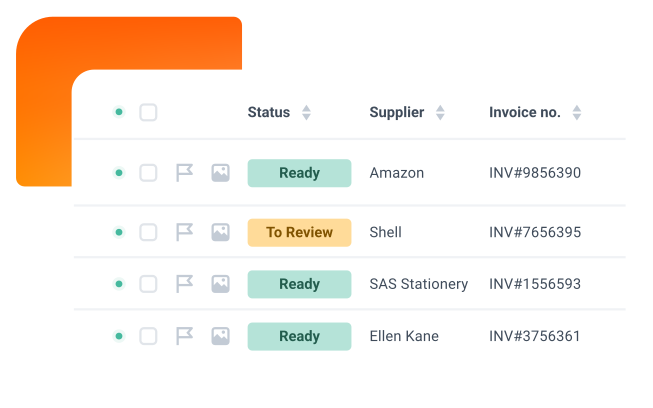
- Capturing expense receipts and supplier invoices
- Extract bank statement data
- Consistently categorised bookkeeping entries
This ensures accounting software contains reliable, complete P&L data — enabling management accounts, cashflow forecasting and budget tracking long before any statutory filing requirement applies.
2. Protect Sensitive Business Data
One of the concerns with P&L filings going public was that commercially sensitive data could become visible to competitors or clients. While the statutory requirement is on hold, Dext helps you maintain control of client information because financial data is securely captured and stored in line with industry standards. This means better advisory relationships without unnecessary exposure.
3. Keep Client Records Clean With Ongoing Bookkeeping
Even without new filing obligations, the quality of the P&L data you report internally for clients matters more than ever. With seasonal sales fluctuations, changing cost bases and complex tax rules, accurate profit and loss information drives better outcomes for your clients.
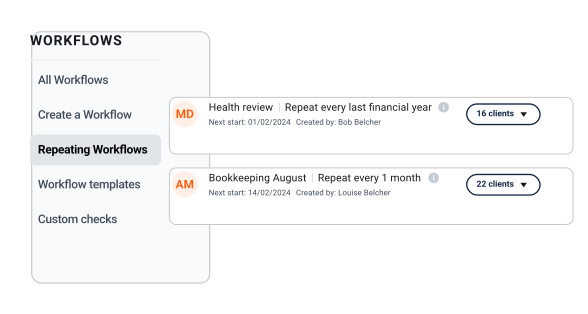
Dext’s workflows support:
- Continuous transaction capture
- AI-driven data extraction and posting
- Reconciliation against bank feeds
- Tagging to projects, departments or cost centres
All of which help produce accurate accounts should future reforms demand them.
What’s Still on the Compliance Calendar
The small companies P&L requirement may be paused, but other compliance programmes are still advancing such as Making Tax Digital for Income Tax (MTD for IT).
Ensuring Dext is fully integrated into your year-end and quarterly processes will make meeting these obligations easier, and let you focus on high-value advisory services rather than housekeeping.
Dext helps you turn everyday bookkeeping into strategic business intelligence — not just a compliance task.
Ready to make bookkeeping effortless and future-proof? Start capturing, categorising and reporting profit and loss with confidence. Begin your free 14-day trial of Dext today and stay ahead of reporting changes.
